Discreet panic duress alarms and the situations where they help
A discreet panic duress alarm is a personal safety device that lets a worker signal trouble without drawing attention to the signal itself. In a New Zealand workplace, it may be carried as a small wearable, clipped to clothing, worn on the wrist, or kept within easy reach. The point is simple: if a situation turns unsafe, the worker can send an alert and start a response without needing to find a phone or explain what is happening out loud.
For lone workers, the value is not just the button. It is the chain that follows. A wearable lone worker alarm may include SOS alerting, GPS location, two way voice, man down detection and fall detection. Each feature covers a different kind of emergency, from a direct threat to a fall where the worker cannot move. Understanding those differences helps a workplace match the device to the risk rather than buying on looks alone.
What a panic duress alarm does
The basic idea is a controlled call for help. A worker presses or activates the alarm when they feel threatened, trapped, injured, or unable to continue safely. Depending on the system, that activation can notify a nominated contact or monitoring service, share location details, and open a voice channel. The emergency call does not need to be a long conversation. In many cases, the first useful information is where the worker is and whether they can speak.
Discretion matters because the person causing the risk may be nearby. A visible phone call or a loud alarm can escalate some situations. A compact alarm can be operated more quietly, though it still needs to be reachable and simple to use under stress. That is why placement and routine matter as much as the hardware. A device left in a bag across the room is not much use during a duress event.
Two way voice adds another layer. Location tells a responder where to go, while voice can confirm whether the worker is safe to speak, what kind of help is needed, and whether there are hazards at the site. If speaking is not safe, the worker may still be able to listen. If speaking is impossible, location and alert type can still support incident response.
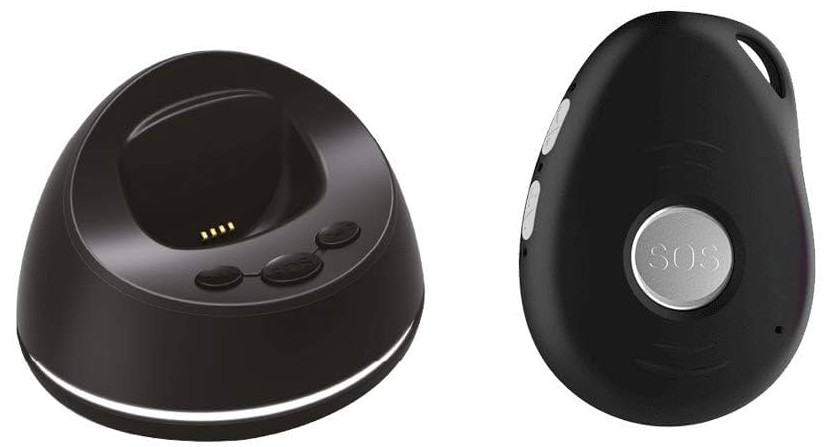
Situations where a discreet alarm can help
One common situation is a worker meeting members of the public where emotions can run high. This can include debt collection, tenancy visits, enforcement roles, welfare checks, or customer disputes. The worker may sense that a conversation is shifting before anything physical happens. A discreet alarm gives them a way to raise the level of attention early, while they still have control of the situation.
Another situation is working late or in isolated areas. A worker may be locked on site, moving between buildings, parking after dark, or attending a property with limited phone coverage. The risk is not always a person. It can be weather, terrain, machinery, or a medical event. If the worker cannot get to a phone, a wearable alarm can provide quick alerts for worker emergencies and reduce the time spent waiting for someone to notice that something is wrong.
Falls are a clear example. A worker may be on a ladder, walking on uneven ground, or moving through a site with trip hazards. Some of those tasks need proper controls and a qualified professional for higher risk work, but the residual risk may still remain. Fall detection can send an alert when a fall is detected, even if the worker cannot press a button. Man down detection can help when a person stops moving in a way that suggests they may need help. These features are not a substitute for safe work practices, yet they can shorten the gap between an incident and a response.
Health events also fit this pattern. A worker may be alone when symptoms start, or may become confused, faint, or unable to call for help. In that case, the device needs to be easy to activate and the response process needs to be clear. A nominated contact should know what an alert means, what information to gather, and when to escalate to emergency services.
Threat assessment is useful here. A workplace can look at where staff work alone, who they interact with, how reachable they are, and what happens if they stop responding. The aim is not to imagine the worst at every shift. It is to spot tasks where silence would be ambiguous. If no one would know whether a worker is fine, busy, or in trouble, an alarm can make that silence less dangerous.
How alerting works in practice
Most systems follow a simple path. The worker activates the device, the alert is sent, location is shared where available, and a contact or monitoring point responds. From there, the response may involve a phone call, a check-in, contacting a supervisor, or calling emergency services. The exact process should be documented before the device is issued. During a real incident, people should not be guessing who will act.

GPS location is useful, but it has limits. Location can be less accurate indoors, underground, or in built up areas. Battery level, network coverage, and device placement can also affect performance. This does not make location pointless. It means the location should be treated as a strong lead, not a perfect answer. A worker who can speak may be able to give a building name, floor, room, or nearby landmark to fill the gaps.
Quick alerts for worker emergencies work best when they are tied to a response plan. A fast signal with no one listening does not improve safety. Workplaces should set clear expectations about who receives alerts, what hours coverage applies, how missed checks are handled, and what records are kept after an event. After an incident, a review can show whether the alert path was clear and whether any changes are needed.
What to check before relying on one
Start with the work setting. A device that works well on a quiet office floor may not suit someone moving through rough ground, visiting homes, or working near machinery. Consider how the alarm is carried, whether it can be reached with one hand, and whether it can be activated without an obvious gesture. Buttons, straps, clips and wear positions all affect real use.
Then look at the response features. SOS gives the worker a direct way to signal. GPS location helps a responder find them. Two way voice can confirm what is happening. Man down and fall detection cover moments when the worker cannot press anything. Not every role needs every feature, but the selected set should match the hazards identified in the threat assessment.
It is also worth checking how the device behaves during ordinary shifts. False alarms can happen with movement, impact, or poor fit. Too many false alarms can make responders less attentive, so training and setup matter. At the same time, a system that is overly cautious may frustrate workers and lead them to stop wearing it. The balance is practical: reliable enough to trust, discreet enough to keep on, and simple enough to use under pressure.
What it means for workers and employers
For a worker, a panic duress alarm can change how alone a shift feels. It does not remove the hazard, but it creates a route to help when normal communication is not possible. That can support better decisions, especially when a worker needs to leave a situation or report that something feels unsafe.

For an employer, the device is one part of a wider safety approach. It should sit alongside clear procedures, training, supervision, and a culture where workers can raise concerns without fear of blame. Alarm data and incident reviews can help refine those procedures over time. The strongest setup is one where the technology, the people and the response steps all point in the same direction.
A discreet alarm is most useful when it is treated as a normal work tool rather than a symbol of fear. Workers should know how to carry it, how to activate it, what happens next, and what to do if it cannot be reached. When those details are clear, the device becomes a practical safeguard for shifts where a quick, quiet signal could make a real difference.